How Do You Know if an Email Virus Is on Your Phone
When you moving-picture show hackers yous probable remember of 2 things. Either large scale, enterprise attacks that crusade millions in harm, or micro phishing attacks that casualty on the nigh vulnerable internet users. Growing up in the internet age, with the said-to-be indestructible Apple tree products, it's hard to fathom a virus wreaking havoc on your phone and mining your data without the slightest suspicion.
Simply, as the digital age switched from desktops to mobile devices, so did hackers. Today, your cell phone may exist just every bit vulnerable as your laptop. So how practise you know if your telephone has a virus? Watch for telltale signs of suboptimal performance, then troubleshoot finer to remove the virus.
Can Phones Get Viruses?
It's possible for phones to get a virus. As the popularity of smartphones exploded beyond that of computers as personal devices, so did hackers. Thus, mobile malware. While a traditional virus replicates itself while running, viruses on mobile devices target weak points within your operating organisation for information-mining, financial gain, or to decadent a network.
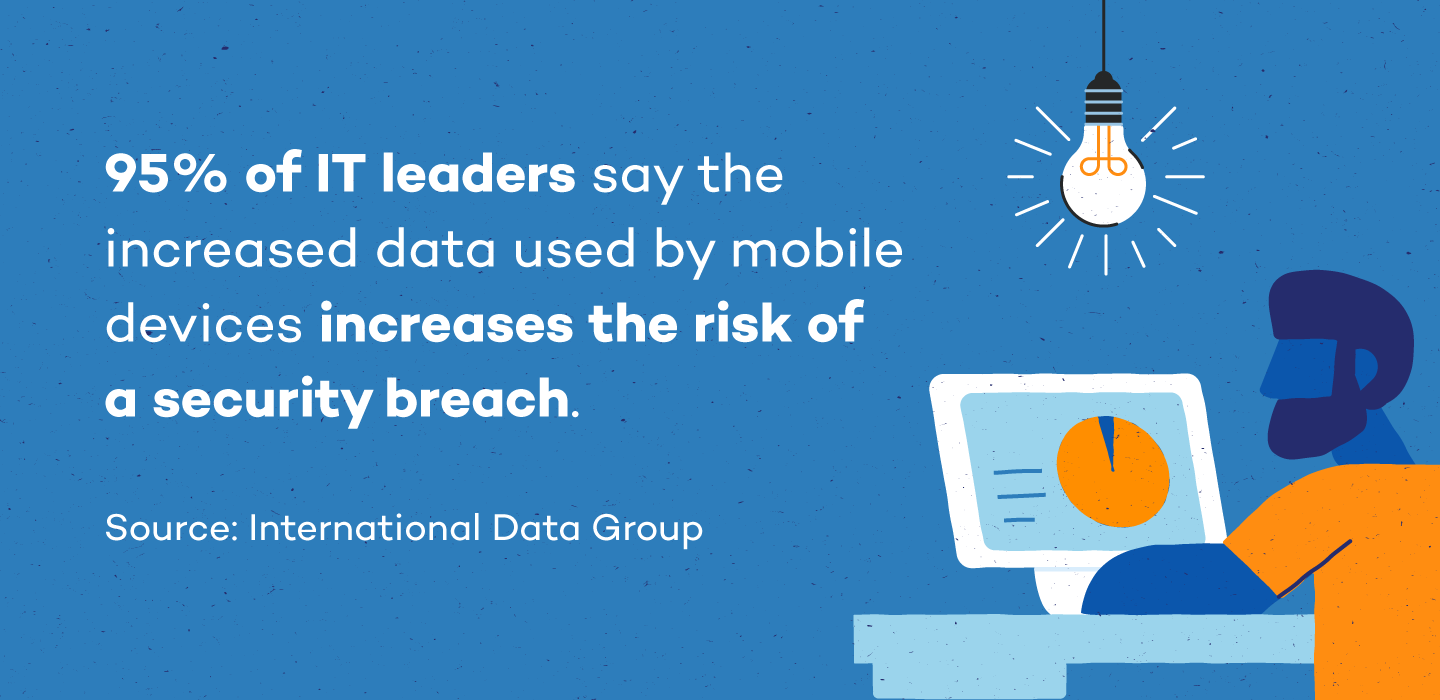
Information sharing capabilities are typically blocked between applications, but some apps have been scrutinized for speculations of mishandling data, making its users increasingly vulnerable to these types of attacks.
8 Signs Your Phone Has a Virus
While some viruses will simply limit the office of your phone, some accept more malicious intent to steal and remove information or brand unauthorized purchases. You often won't recognize a virus immediately since malware can run dormant while using your phone as usual.
Some suboptimal operation issues are a normal symptom of wear on a phone. However, these symptoms can as well be a sign of malicious malware at work. If you have performance issues on your phone, troubleshoot by attempting to remove the virus.
These 8 signs are an indication that your phone may take a virus:
- Excessive information usage: A compromised phone may have a virus that's running in the background, undetected, which may significantly increase overall data usage.
- Fraudulent charges: Some forms of trojans may drive upwardly your phone neb with in-app purchases and text charges to premium accounts which hackers tin and so collect on.
- Apps crashing: If the software on your phone is compromised, it tin cause apps to repeatedly crash. In that location can exist a number of reasons apps will crash, and so double check your storage isn't full and you don't have too many apps running at once before assuming the worst.
- Pop-ups: While some pop-ups are a normal function of advert while browsing the web, if your browser is closed and you're experiencing increased pop-ups y'all may exist experiencing adware, a type of malware that's goal is data-mining.
- Increased battery drain: If a virus, like malware, is running in the background during normal prison cell utilize, you may experience an inexplicably quick drain on your battery with the increased apply of your telephone's RAM.
- Unrecognizable apps: When you see apps that were mysteriously downloaded, they may be a malicious form of malware. Trojan horses can likewise attach themselves to legitimate applications and cause further damage.
- Overheating: Malware can eat RAM and CPU quickly, which can cause your telephone to overheat. While it can be normal for your phone to occasionally overheat, this chronic issue could too be a point that there'due south something more dangerous afoot.
- Spam texts: A mutual form of malware that tin can be found on a cell telephone will gather sensitive information and attempt to likewise infect your contacts by sending texts with dangerous links and attachments.
Types of Mobile Viruses
The nigh mutual mobile viruses are adware, ransomware, spyware, trojan horses, and worms. While the term virus has get a widely accepted phrase for any kind of security take a chance, a virus is really a specific form of malware—just one type of engineering science threat.
Viruses can be hidden behind legitimate applications, fake emails, or infected attachments. Hackers go along to fine-tune their craft to infiltrate your device in unexpected ways to avert detection.
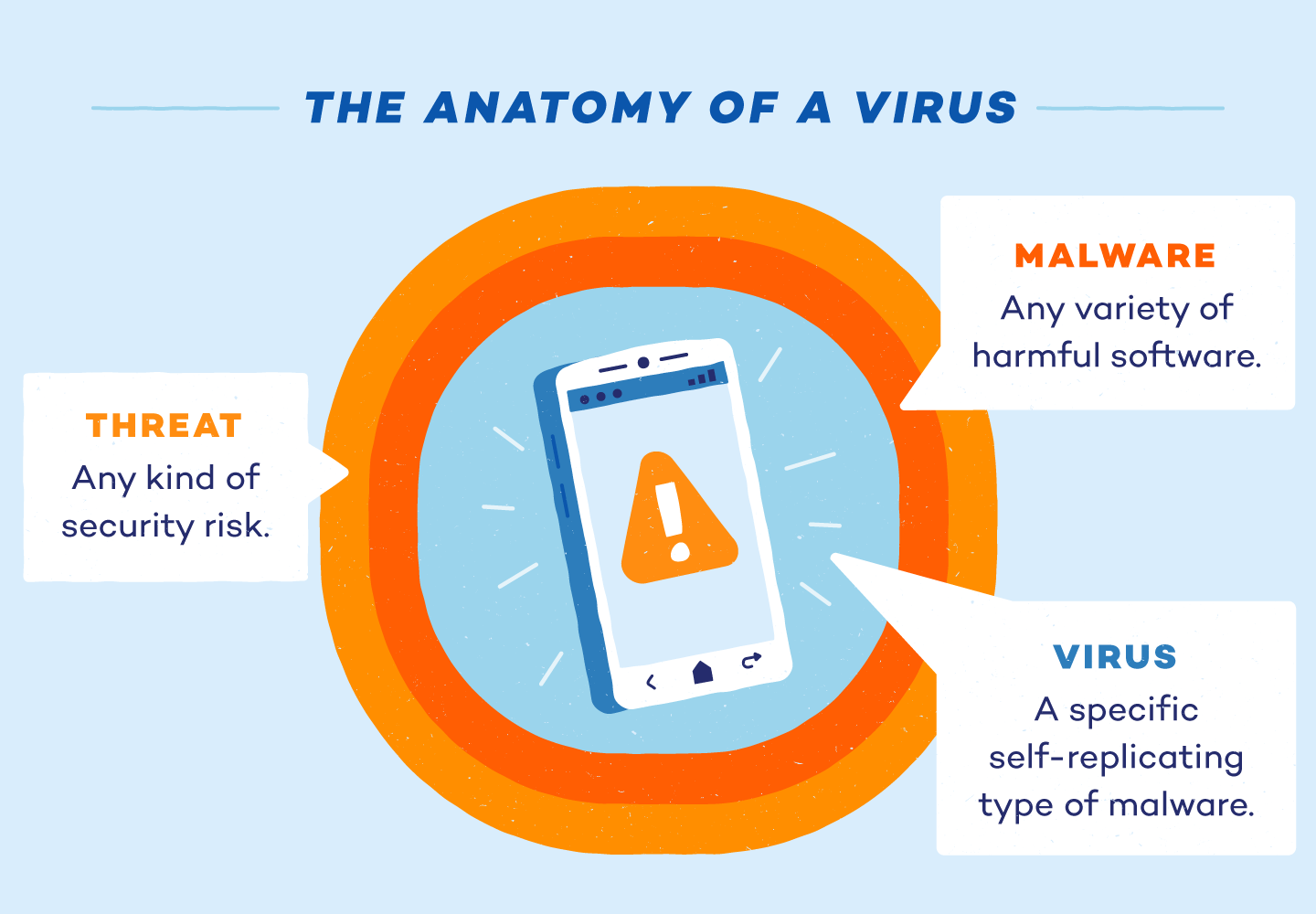
- Adware: While some pop-ups are an expected part of marketing promotions, an influx can be a sign of adware. At best, it's an irritation. At its worst, it can runway activities and root your device to steal data.
- Ransomware: First appearing on desktop computers, ransomware encrypts personal data so the user tin't admission it. A ransom is then demanded for files to be released.
- Spyware: Spyware is oft fastened to seemingly legitimate applications. It then loads itself onto your device and tracks your activity, location, usernames, and passwords. Oft, you won't find this unsafe software is loaded on your telephone.
- Trojan equus caballus: A trojan equus caballus on your cell phone will typically appear as a text message. From there, they'll transport messages at a premium, ofttimes increasing your phone bill. Nearly recently, a banking trojan infiltrated Android devices and intercepted messages virtually personal financial data.
- Worm: Another virus spread by texts, a worm doesn't need user interaction to wreak havoc. It'southward main goal is to spread to as many devices as possible so hackers can load malware to your telephone and steal information.
How to Remove a Virus From an iPhone
While the operating system on an iPhone tends to be secure, viruses can nonetheless pervade congenital in security measures, especially on jailbroken phones. To remove a virus from an iPhone, begin by clearing your data history. If the problem persists, restore your phone with an older backup. If you're still seeing suspicious performance, reset the telephone to manufactory settings. Doing so erases the existing data and subsequent virus.
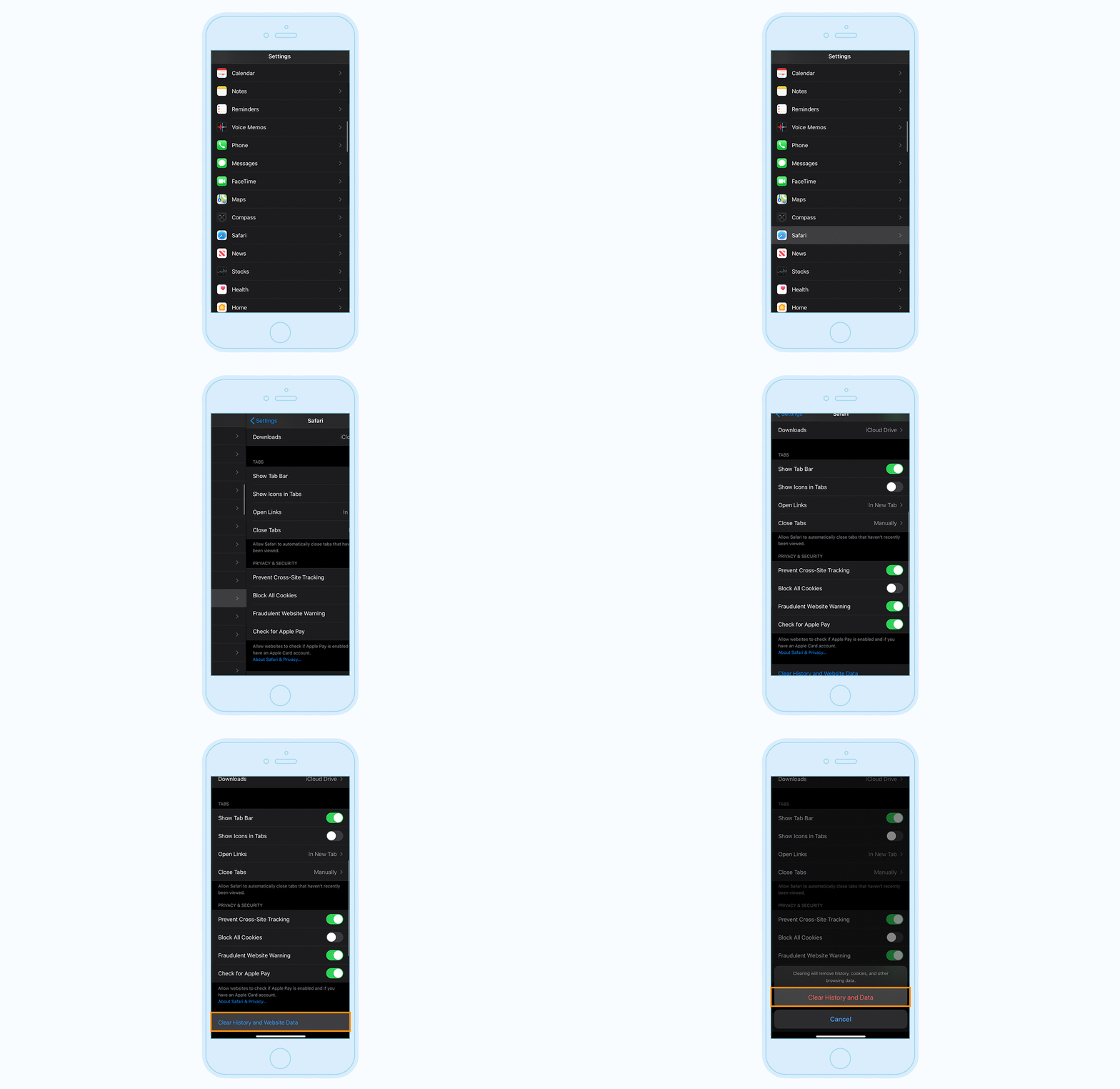
- Step 1: Clear your browsing data and history. Select settings, cull your chief browser, tap clear history and website information.
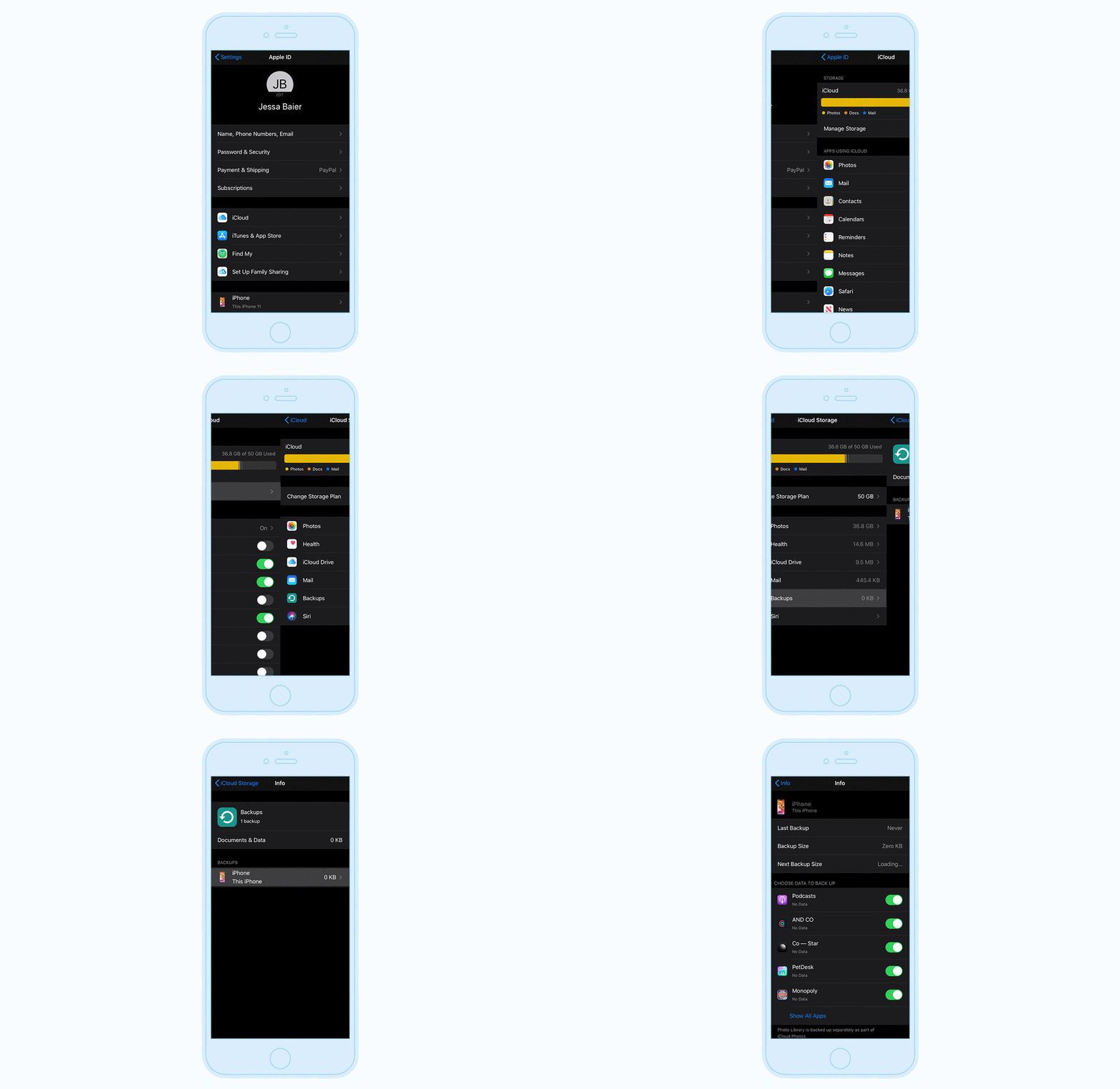
- Footstep 2: Restore your phone to a backup version. Select settings, so Apple ID, and choose iCloud. Select manage storage, then backups. Cull the virtually recent fill-in and restore the device.
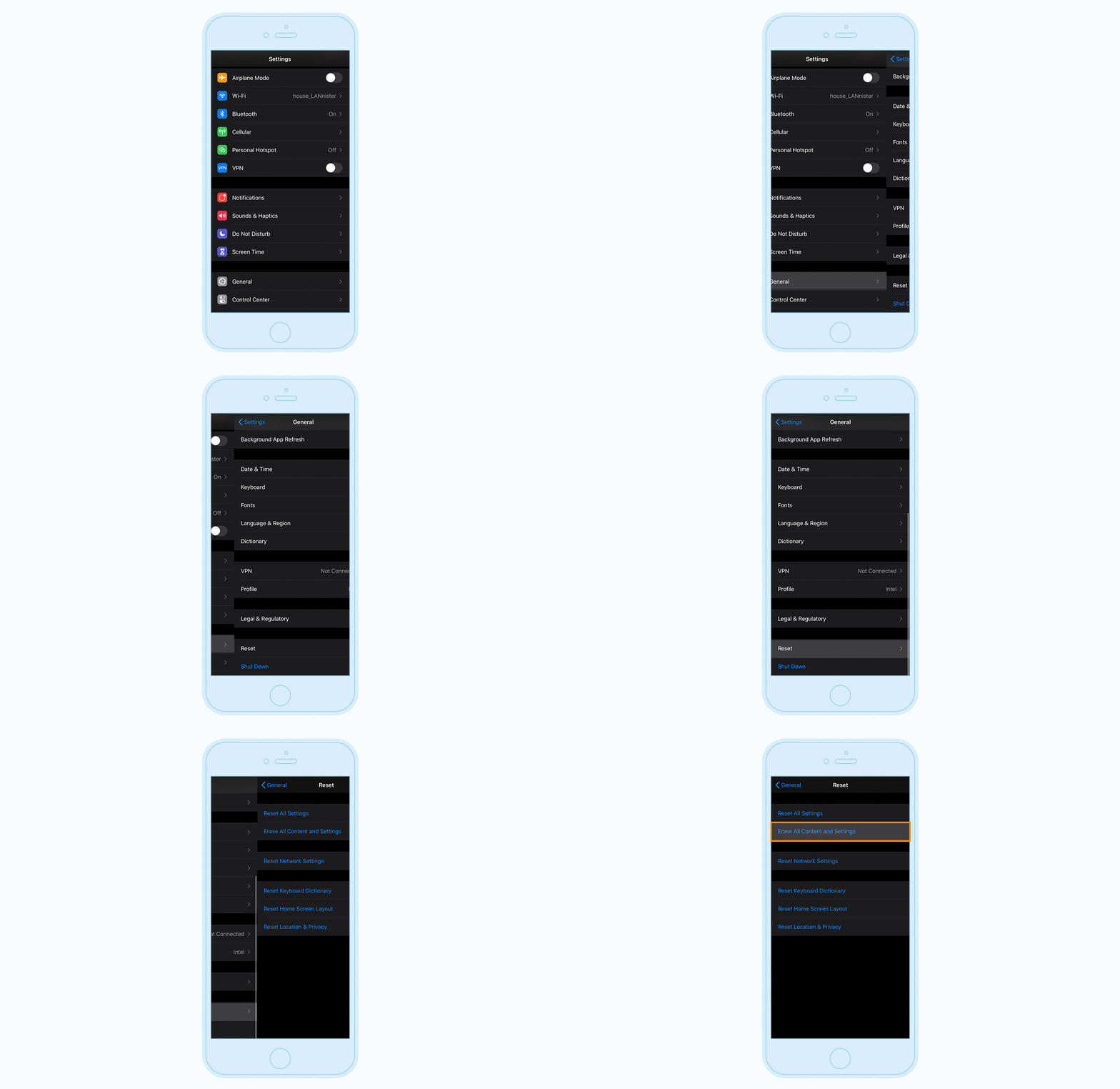
- Step iii: Reset to factory settings. This should be a last resort. Open your settings, and so choose general. From in that location you'll find reset and select erase all content and settings. Your phone will exist reset to its manufactory settings.
How to Remove a Virus From an Android Telephone
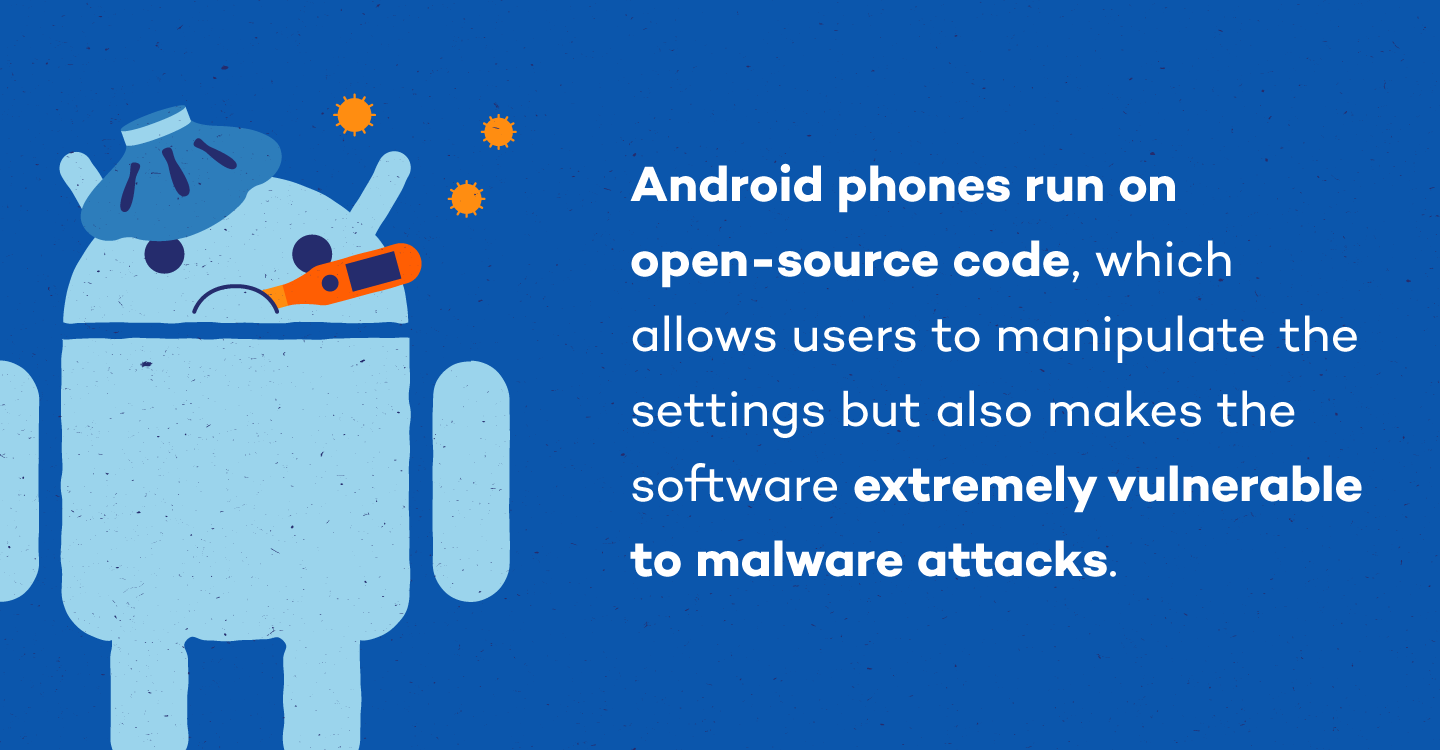
Because of its open source code, Android devices are specially vulnerable to malware attacks. Antivirus software is the almost fail condom way to protect your Android from viruses. To remove a virus from an Android, first reboot the device in rubber mode.
Next open up the settings and browse through recently installed apps to target whatever suspicious activity. Uninstall whatever questionable software, and enable Google's Play Protect. Periodically scan your device for threats and manage them every bit needed.
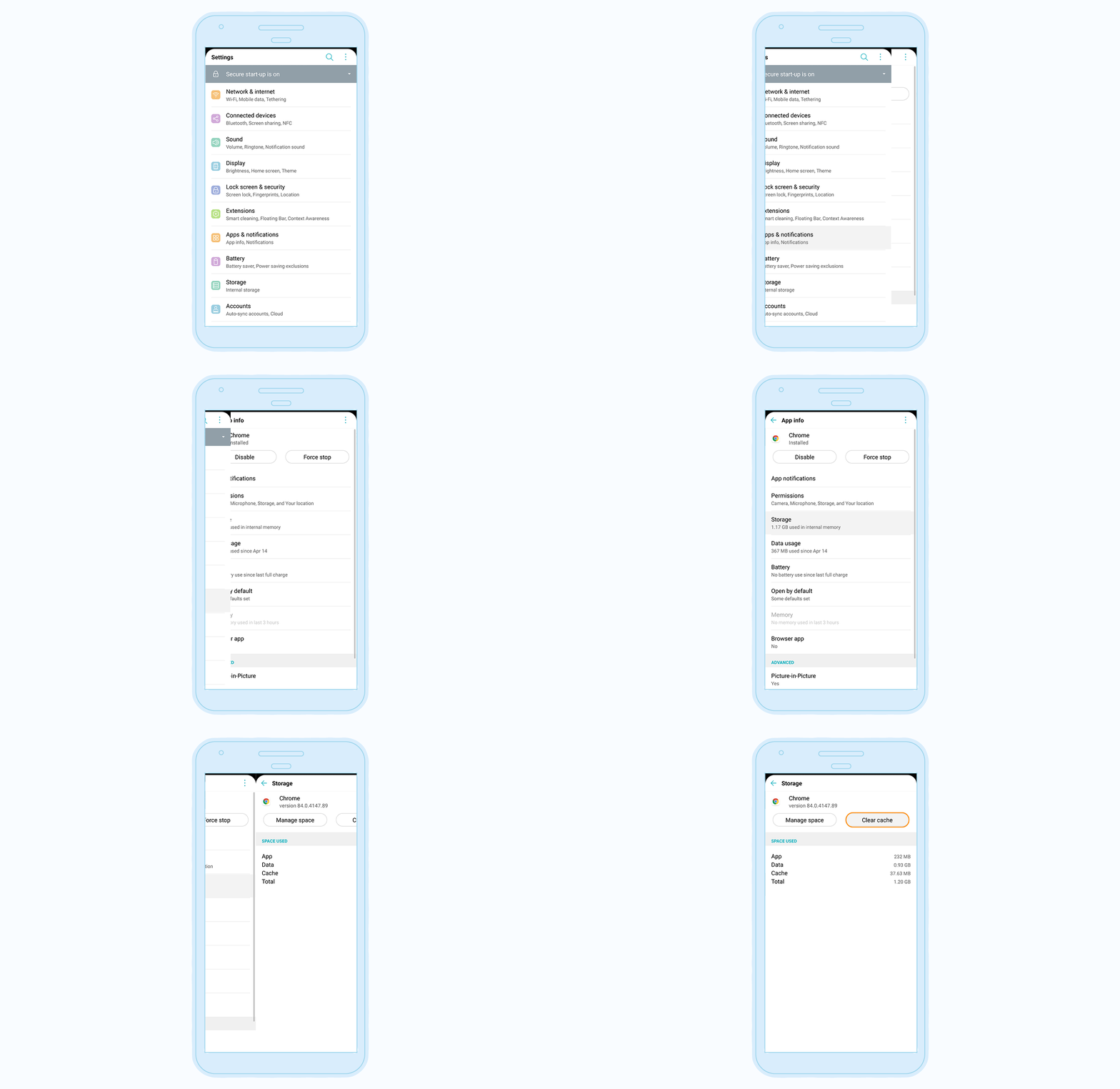
- Pace 1: Clear the cache. Select apps and notifications, adjacent find chrome. Go to its storage and select clear cache.
- Step ii: Boot the device in safe way. Press and agree the power button. When the dialogue box appears, choose reboot to prophylactic fashion.

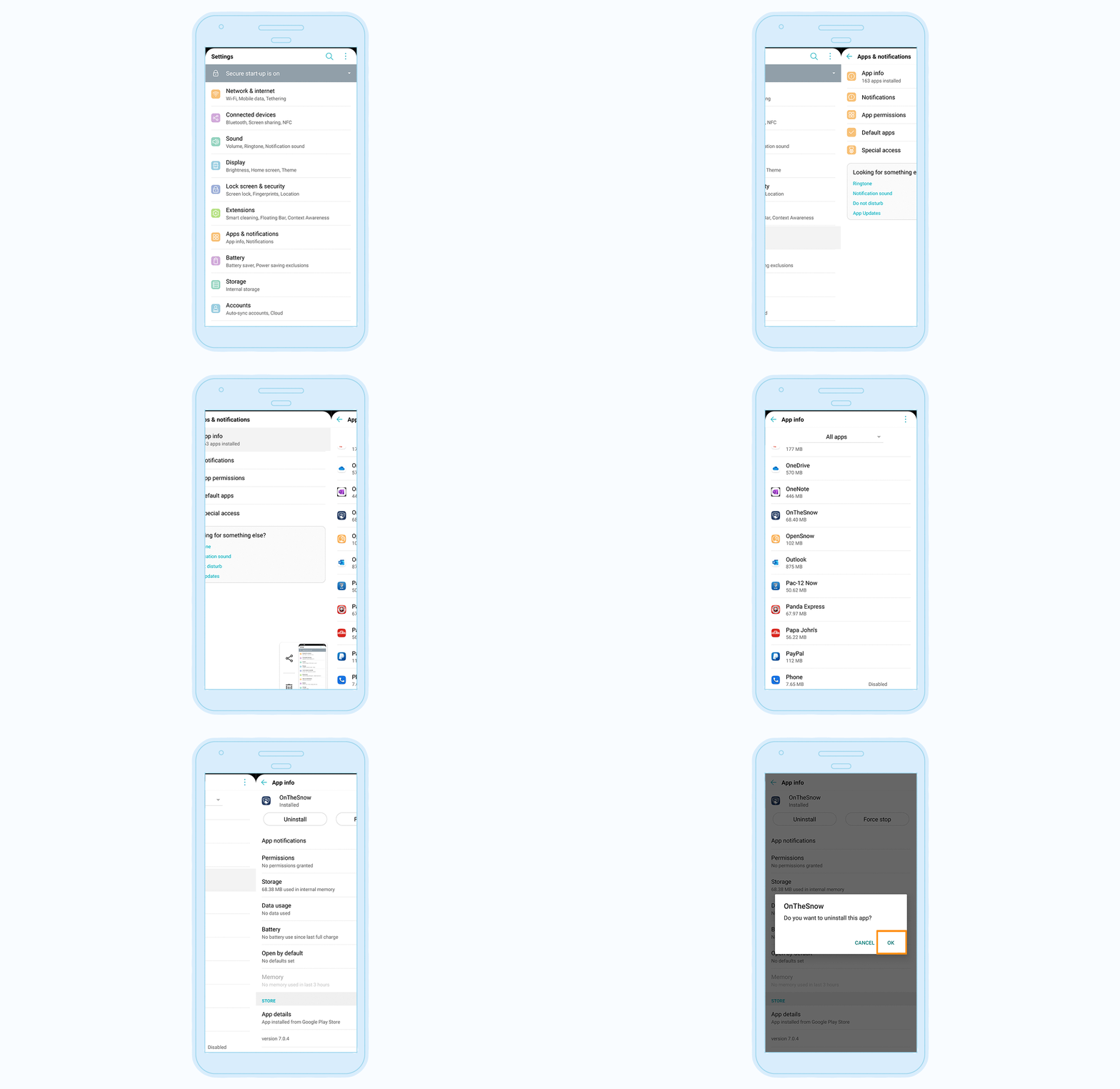
- Step 3: Observe the suspicious app. Open settings. Select apps. Manually review applications installed to find any suspicious downloads. Once identified, open up the app information and uninstall.
- Step 4: Enable play protect. While antivirus is the most secure way to protect your Android against malware, Play Protect is a built in software that can be useful as a secondary protection mensurate. To enable, choose the play store app. Open the menu in the upper left corner. Turn on the choice to browse your device for security threats.

How to Protect Yourself From A Phone Virus
As a starting time line of defence, utilize antivirus software to protect your phone against malware. Be cautious when installing new applications. Read the reviews and review the terms and conditions for any circumlocution that may indicate access to personal information. Regularly backup your phone so yous tin can restore to a previous version if a virus does infiltrate your device.
- Only download verified apps: Avert 3rd party app stores. Doing and then minimizes the hazard of installing dangerous apps posing equally legitimate software.
- Use secure WiFi: E'er use protected WiFi or a VPN. This deters third party hackers from interrupting the information flow to and from your phone.
- Check app permissions: Read the terms and conditions before downloading an unfamiliar app. Discover whatsoever verbiage that denotes the app may exist able to utilise personal information or alter the terms without notice.
- Install antivirus software: Antivirus software is the best line of defense confronting mobile malware. Run the software regularly and remove whatsoever threats detected.
- Update your Bone: Operating system updates often patch bugs found in its previous versions.
- Don't open suspicious messages: Malware can come in the form of e-mail attachments, texts, and links. Don't click unfamiliar links or messages, as they may exist a gateway to phishing sites.
- Don't jailbreak your phone: Staying rooted allows necessary updates and patches to your operating system every bit iOS tightens its security. When y'all jailbreak your telephone, you're vulnerable to holes found in previous versions plus dangers open-source code can pose.
Some viruses on cell phones are dormant until activated, with the goal of infiltrating every bit much user information as possible before being detected. An antivirus software can protect your mobile devices confronting cyberattacks. Stay vigilant when downloading new software to your devices, and empathise the performance problems that may be associated with symptoms of mobile malware at work.
Sources: Threat Insight Report | IDG | Khalifa University | University of Cambridge | Hong Kong University

Panda Security specializes in the development of endpoint security products and is part of the WatchGuard portfolio of IT security solutions. Initially focused on the development of antivirus software, the company has since expanded its line of business to advanced cyber-security services with technology for preventing cyber-criminal offence.
norrisbeglinver1987.blogspot.com
Source: https://www.pandasecurity.com/en/mediacenter/mobile-security/phone-has-virus/

Post a Comment for "How Do You Know if an Email Virus Is on Your Phone"